Most safer-shopping habits are ordinary and repeatable. You do not need to investigate every store like a detective; you need a short pause before sharing payment details.
The biggest warning is often inconsistency: a familiar-looking site on an unfamiliar address, a price far below every competitor, or policies that become vague at checkout.
Confirm where you are
Read the domain carefully, especially after following an advertisement or message. Look for misspellings, extra words and unusual endings. A secure connection is important, but the padlock alone does not prove that a seller is trustworthy.
- Navigate from a saved bookmark for stores you use often.
- Avoid payment links sent unexpectedly by message.
- Check that contact and returns information is specific.
Evaluate the offer, not the excitement
Compare the product and price with established sellers. Extreme discounts on scarce or premium items deserve more scrutiny. Check whether the item is used, refurbished, imported or sold by a marketplace partner.
Choose a payment method with recourse
Keep a record of the transaction
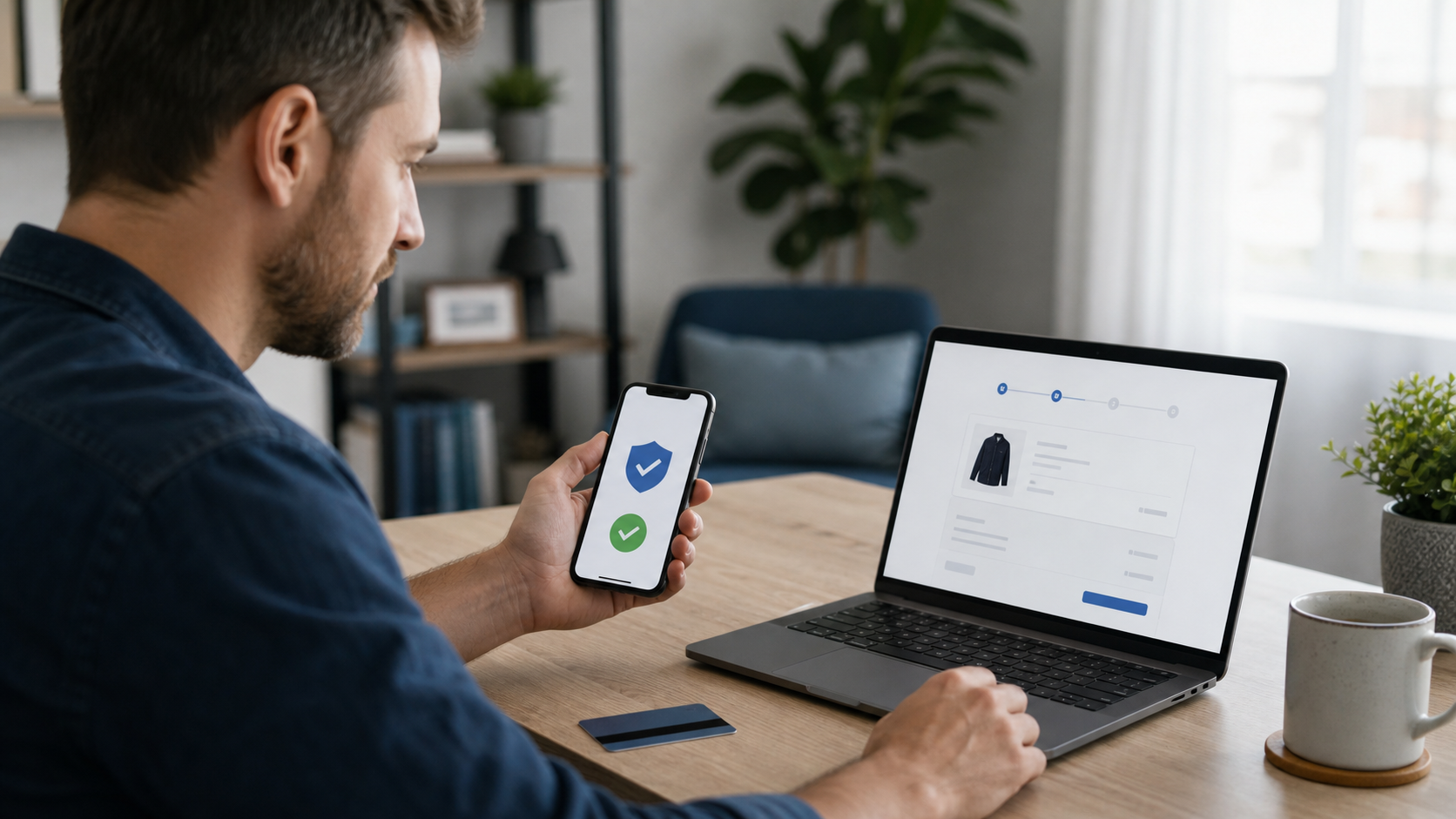
Use a payment method that offers appropriate dispute support in your location. Avoid direct transfers or gift cards when dealing with an unfamiliar seller. Enable account alerts and multi-factor authentication where available.
- Save the order confirmation and product description.
- Never send a one-time security code to a seller.
- Use a unique password for the shopping account.
Read the delivery and return terms
Confirm the dispatch estimate, return address, return shipping cost and any restocking fee. For expensive purchases, check who carries the risk if a parcel is lost or arrives damaged.
Conclusion
Safer shopping comes from a few consistent checks: verify the address, question unrealistic prices, use protected payment methods and keep records. If the details do not add up, leaving the basket is usually the cheapest decision.